
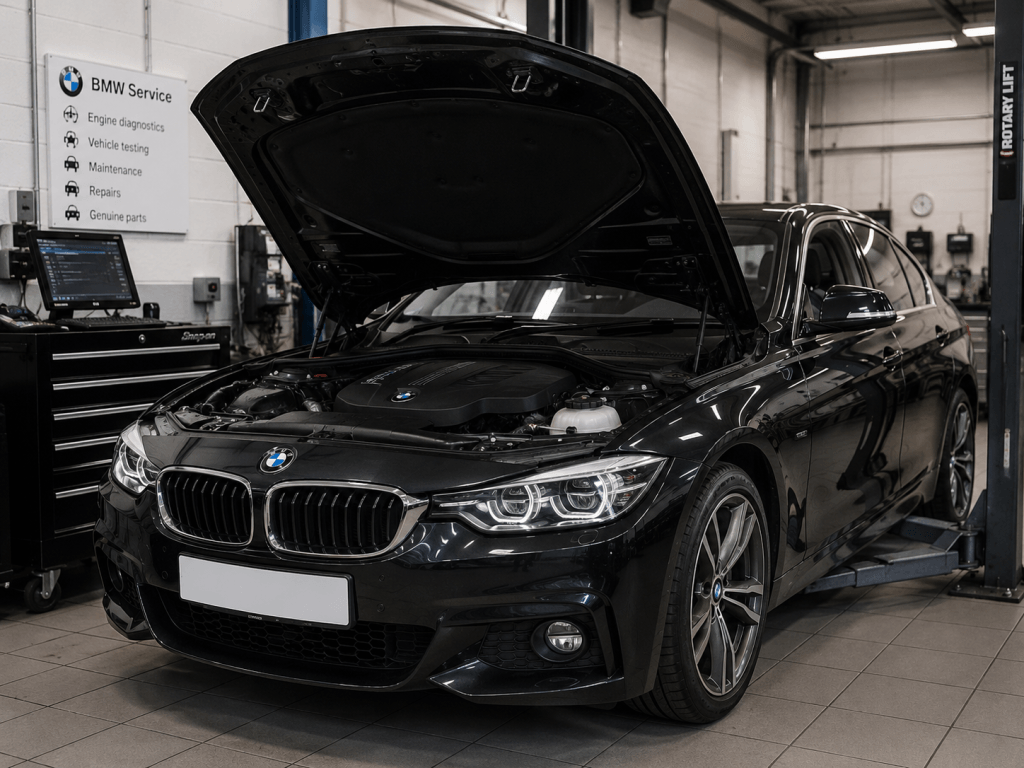
Washington DC is known for its historic landmarks, bustling streets, and heavy traffic congestion. Whether you’re commuting along I-395, navigating the Capital Beltway, or driving through downtown neighbourhoods, spending time in stop-and-go traffic is a daily reality for many drivers. While traffic jams are frustrating, they can also take a significant toll on your vehicle over time.
For drivers searching for mobile mechanic Washington DC services or reliable DC auto repair, understanding how stop-and-go traffic affects your vehicle can help you reduce wear, prevent breakdowns, and avoid costly repairs.
Here’s a closer look at how frequent traffic congestion impacts your car and what you can do to protect it.
Why Stop-and-Go Traffic Is Hard on Vehicles
Highway driving allows vehicles to operate at steady speeds and temperatures. Stop-and-go traffic is very different.
In heavy traffic, your vehicle experiences:
- Constant braking and acceleration
- Extended idling periods
- Increased engine temperatures
- More wear on mechanical components
- Reduced fuel efficiency
These conditions can accelerate wear on several critical systems.
1. Brake Wear Increases Significantly
One of the biggest victims of Washington DC traffic is the braking system.
Every stop requires your brake pads and rotors to generate friction to slow the vehicle.
Over time, this leads to:
- Faster brake pad wear
- Rotor damage
- Increased brake dust
- Reduced braking performance
Drivers who spend hours in city traffic often need brake repair Washington DC services more frequently than those who primarily drive on highways.
Common Brake Warning Signs
Watch for:
- Squealing noises
- Grinding sounds
- Vibration while braking
- Longer stopping distances
- Brake warning lights
Early brake inspections can help prevent more expensive repairs.
2. Your Engine Works Harder
Many drivers assume traffic is easier on an engine because speeds are lower.
In reality, constant acceleration and idling can place additional strain on engine components.
Stop-and-go driving may contribute to:
- Increased fuel consumption
- Carbon buildup
- Engine overheating risks
- Faster oil degradation
Routine maintenance becomes especially important for DC commuters.
3. Transmission Stress Increases
Automatic transmissions constantly shift between gears in congested traffic.
This repeated cycling can create:
- Additional transmission heat
- Increased fluid breakdown
- Premature wear of internal components
Transmission repairs can be costly, making preventive maintenance particularly valuable for city drivers.
Transmission Warning Signs
Look for:
- Delayed gear engagement
- Rough shifting
- Slipping gears
- Fluid leaks
Ignoring these symptoms can lead to major repairs later.
4. Fuel Economy Suffers
Stop-and-go traffic is one of the least efficient driving conditions.
Your vehicle burns fuel while:
- Idling at traffic lights
- Creeping forward in congestion
- Accelerating repeatedly
This often results in significantly lower fuel economy compared to highway driving.
Maintaining proper tire pressure and engine performance can help reduce fuel consumption.
5. Battery Wear Can Increase
Many people associate battery problems with cold weather, but traffic patterns can also contribute.
Frequent short trips and extended idling may:
- Reduce battery charging efficiency
- Increase strain on electrical systems
- Lead to premature battery failure
If your battery is already weak, city driving may expose the issue sooner.
6. Cooling Systems Face Additional Demands
Vehicles rely on airflow to help cool the engine.
In stop-and-go traffic:
- Airflow decreases
- Cooling fans work harder
- Engine temperatures rise
A weak cooling system may struggle to maintain safe operating temperatures during heavy traffic conditions.
Cooling System Problems May Include
- Coolant leaks
- Faulty cooling fans
- Damaged radiators
- Failing thermostats
Regular inspections help identify problems before overheating occurs.
7. Tires Wear Differently in City Driving
Traffic congestion may not seem hard on tires, but frequent acceleration and braking create unique wear patterns.
This can cause:
- Uneven tread wear
- Reduced tire lifespan
- Lower fuel efficiency
- Reduced traction
Routine tire rotations and alignment checks can help maximise tire life.
8. Suspension Components Experience More Stress
DC roads often include:
- Potholes
- Construction zones
- Uneven pavement
- Frequent stop-and-start movement
These conditions place additional strain on:
- Shocks
- Struts
- Control arms
- Ball joints
Suspension wear may affect ride comfort and handling.
9. Air Conditioning Systems Work Harder
Washington DC summers can be hot and humid.
During traffic congestion:
- Air conditioning systems operate continuously
- Engine load increases
- Cooling systems face additional stress
If your AC performance starts declining, an inspection may be needed before summer temperatures peak.
10. Preventive Maintenance Becomes More Important
Drivers who regularly face heavy traffic should pay closer attention to maintenance schedules.
Important services include:
- Oil changes
- Brake inspections
- Tire rotations
- Battery testing
- Cooling system checks
- Transmission fluid inspections
Preventive maintenance often costs far less than major repairs.
How Mobile Mechanics Help Washington DC Drivers
Many DC residents prefer mobile mechanic Washington DC services because they eliminate the inconvenience of travelling to a repair shop.
Mobile mechanics can perform many services at:
- Homes
- Offices
- Apartment complexes
- Parking garages
Common mobile services include:
- Brake repairs
- Battery replacement
- Diagnostics
- Oil changes
- Cooling system inspections
- Preventive maintenance
This convenience is especially valuable for busy commuters dealing with heavy traffic schedules.
Frequently Asked Questions
Yes. Frequent braking creates more friction and heat, causing brake pads and rotors to wear faster than during highway driving.
Your engine consumes fuel while idling and repeatedly accelerating, making stop-and-go traffic much less efficient than steady highway driving.
Yes. Reduced airflow and extended idling can increase engine temperatures, especially if the cooling system has existing issues.
Drivers who spend significant time in city traffic should have their brakes inspected at least once a year or whenever warning signs appear.
Yes. Constant gear changes increase heat and wear within automatic transmissions.
Yes. Many brake repairs, inspections, and maintenance services can be completed by a mobile mechanic at your home or workplace.
Washington DC’s heavy traffic does more than test a driver’s patience—it places additional stress on brakes, engines, transmissions, tires, and cooling systems. Understanding these effects allows drivers to take proactive steps that reduce wear and prevent expensive repairs.
Whether you need routine maintenance, diagnostics, or brake repair Washington DC, staying ahead of vehicle issues is the best way to maintain reliability and safety.
A trusted mobile mechanic Washington DC can provide convenient, professional service at your location, helping you keep your vehicle in excellent condition despite the challenges of daily stop-and-go traffic.